August 28, 2026
Driveway construction and maintenance are areas that homeowners often assume are straightforward. However, there are many complexities involved that can impact the longevity and appearance of residential driveways. This article aims to provide insights from the perspective of an experienced driveway contractor, shedding light on crucial considerations that many clients may overlook. By understanding different materials, installation processes, maintenance tips, and cost factors, homeowners can make informed decisions that maximize the lifespan and aesthetics of their driveways. Engaging qualified contractors and staying updated on emerging trends can position homeowners to achieve durable, functional, and visually appealing driveway solutions.
Understanding Different Driveway Materials
1. Concrete: Pros and Cons
Concrete is a popular choice for driveways due to its durability and low maintenance requirements. It's known for its long lifespan, which can exceed 30 years when properly maintained. One of the downsides to concrete is that it can crack in freezing temperatures due to expansion and contraction. To mitigate this, any reputable driveway contractor will recommend using control joints and sealing the surface regularly. Additionally, concrete may discolor over time but can be revitalized with stain or paint.
Another advantage of concrete is its ability to withstand heavy loads, making it ideal for homes with multiple vehicles. However, the installation process is labor-intensive and requires experienced professionals to ensure a smooth finish. The initial cost of a concrete driveway can be higher compared to other materials, but this is often offset by its longevity and low maintenance needs. In terms of environmental impact, the production of concrete has been criticized for its carbon footprint. Homeowners interested in sustainable options should inquire about alternative materials or eco-friendly additives with their local driveway contractor.
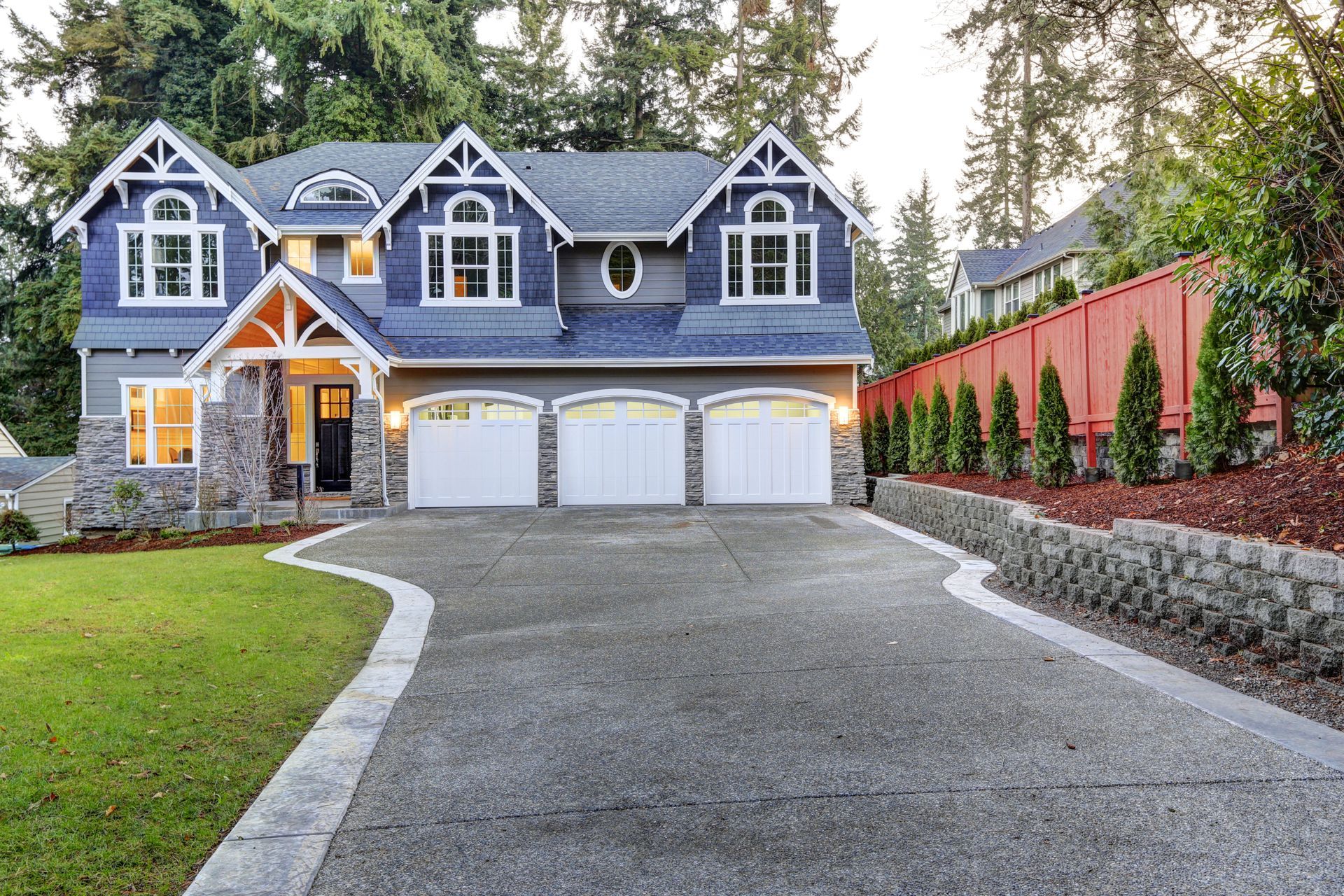
Concrete driveways offer versatility in design with a variety of finishes such as broom, smooth, or exposed aggregate. Decorative options like stamping or coloring can further enhance visual appeal. When selecting concrete, it's essential to consider climate and regional weather patterns, as these can influence performance. Reliable contractors will guide homeowners through these considerations, ensuring the chosen material aligns with practical and aesthetic goals. Overall, concrete remains a prevalent choice for those seeking a durable and attractive driveway solution.
2. Asphalt: Durability and Maintenance
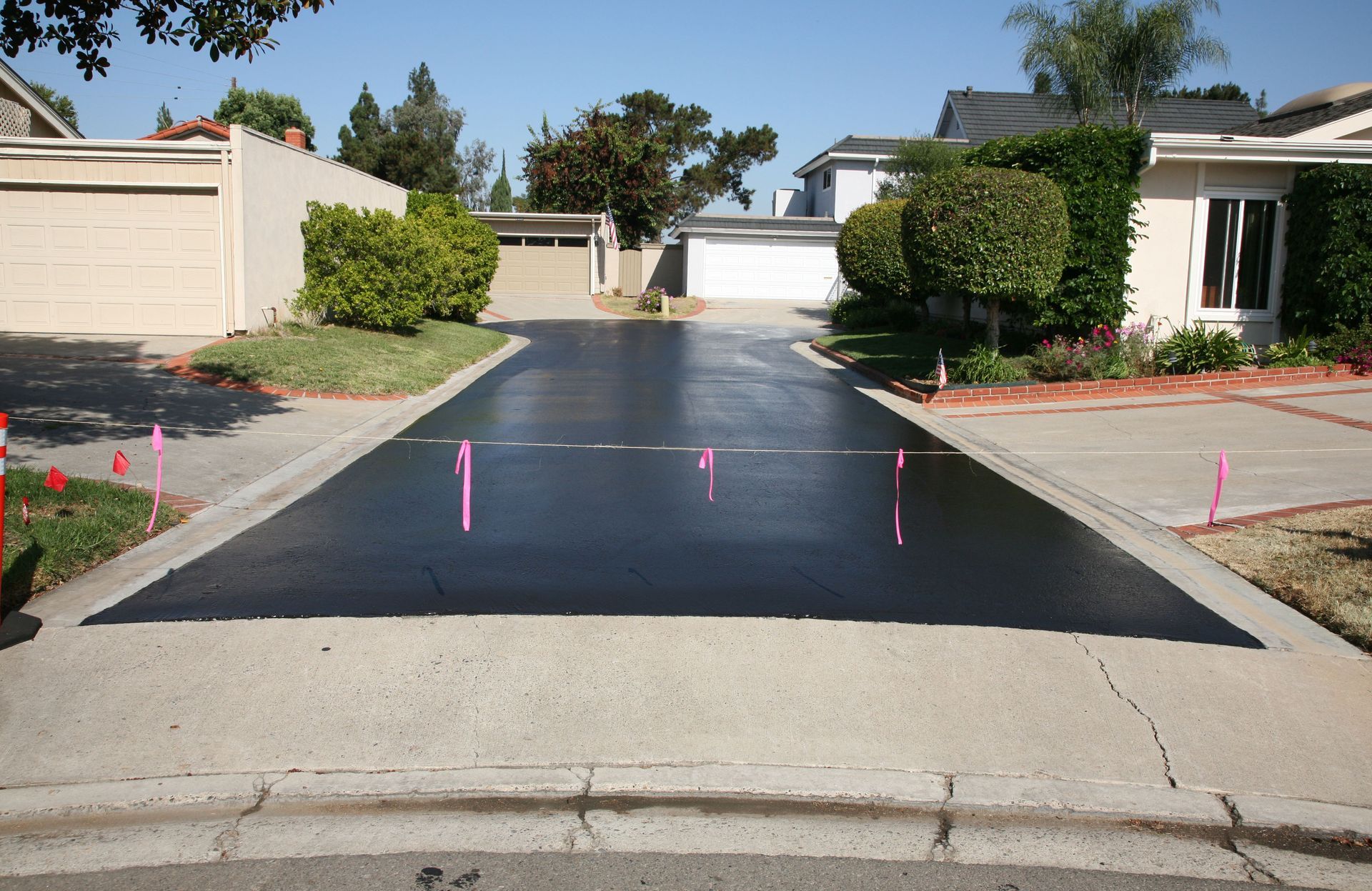
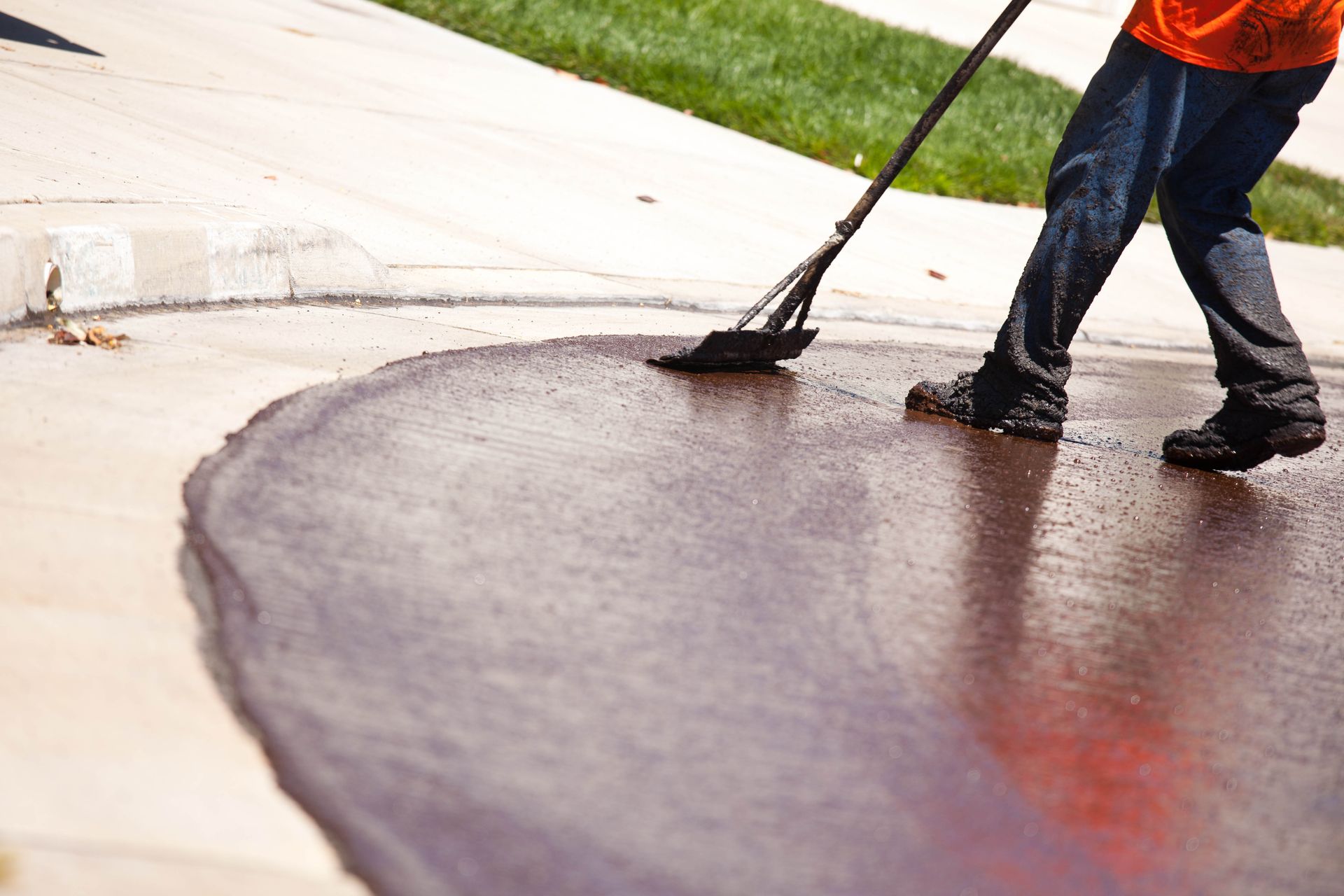
Asphalt driveways are renowned for their flexibility and cost-effectiveness, making them a popular choice for many homeowners. The material is less prone to cracking compared to concrete, thanks to its ability to expand and contract with temperature changes. While the initial installation cost is lower than concrete, asphalt requires more frequent maintenance, such as sealcoating and crack filling, which can mitigate long-term wear. Many homeowners appreciate the sleek black finish that a freshly installed asphalt driveway provides, but they should be aware that it can soften during extreme heat. Moreover, according to HomeGuide, you should wait 24 to 48 hours for a newly installed asphalt driveway to properly cool and harden before driving or parking on it.
A significant advantage of asphalt is its installation speed, as driveways can often be completed and ready for use in just a few days. Proper drainage solutions are critical when installing asphalt to prevent water-related damage such as potholes or erosion. A skilled driveway contractor will often advise periodic professional assessments to determine necessary repairs or sealing, which can extend the lifespan of the asphalt surface. Homeowners living in areas with harsh winters should be particularly vigilant, as freeze-thaw cycles can accelerate deterioration. By adhering to a regular maintenance schedule and addressing minor issues promptly, homeowners can enjoy the cost and aesthetic benefits of an asphalt driveway.
In terms of design, asphalt offers limited customization options when compared to materials like pavers or stamped concrete. Nonetheless, its dark color can serve as an excellent contrast to landscaping or architectural features. When properly maintained, an asphalt driveway can last up to 20 years, offering considerable value for initial investments. Homeowners should discuss their specific needs and environmental factors with a trusted driveway contractor to ensure the most suitable choice. With ongoing advancements in materials and technologies, asphalt remains a viable option for functional and visually appealing driveways.
The Importance of Proper Installation
1. Site Preparation: Ensuring a Solid Foundation
The success of any driveway installation largely depends on proper site preparation, as a solid foundation is essential for durability and reliability. This involves clearing the area of vegetation, debris, and existing pavement materials to create an even surface. Prior to paving, an expert driveway contractor will emphasize assessing soil conditions to ensure adequacy for foundational support. Depending on the site, additional measures such as grading or applying a geo-grid may be necessary to stabilize the base. Ensuring accurate measurements and layout before installation can prevent problems such as misalignment or drainage issues, setting the stage for a long-lasting driveway.
Once the ground has been cleared and assessed, the next step is to create a sub-base, often utilizing materials like crushed stone or gravel. This sub-layer acts as a support system, distributing loads and enhancing drainage beneath the primary driveway material. Compaction of this sub-base is crucial, as insufficient compaction can lead to settling, which may result in cracks or surface irregularities over time. Professional contractors use specialized equipment to achieve optimal compaction, ensuring the sub-base remains firm and stable under regular usage. Proper site preparation can significantly reduce maintenance needs, boosting the longevity of the driveway installation.
Inadequate site preparation can lead to costly repairs down the line, highlighting the importance of investing in professional expertise from the onset. Experienced contractors can navigate complex site challenges, such as managing steep slopes or poor soil conditions, using techniques tailored to each scenario. By prioritizing a solid foundation, homeowners can avoid common installation pitfalls that compromise the integrity and aesthetics of their driveways. Transparent communication with contractors about site-specific concerns ensures that all potential issues are addressed early, leading to a successful and long-lasting installation. Site preparation is the cornerstone of a sustainable driveway, making it a critical focus for any project.
2. Drainage Solutions: Preventing Water Damage
Effective drainage is fundamental to preventing water-related damage to driveways, which can manifest as cracks, erosion, or pooling. A well-designed drainage system redirects water away from the driveway's surface and foundation, mitigating potential harm. Options include installing French drains, swales, or gutters, each tailored to the specific site topography and environmental conditions. A qualified driveway contractor can assess water flow patterns during site evaluation, recommending suitable drainage solutions to address identified vulnerabilities. Failure to address drainage issues can accelerate driveway deterioration, underscoring the importance of proactive planning.
In regions prone to heavy rainfall or snowmelt, additional drainage considerations may be necessary to accommodate larger volumes of water. Permeable paving materials can also aid in water management, reducing surface runoff by allowing precipitation to filter through. Regardless of the selected material, ensuring appropriate slope gradients is essential for effective water dispersion. Regular maintenance of drainage components, such as clearing debris or inspecting for blockages, can preserve system efficacy and prevent issues. By working closely with contractors to implement strategic drainage solutions, homeowners can safeguard their driveways against costly water damage.
Integrating drainage solutions into the driveway design extends beyond mitigating immediate risks; it can enhance environmental sustainability by promoting natural water infiltration. This approach supports surrounding landscapes, reducing the impact of urban run-off on regional waterways. Balancing form and function, contractors can suggest visually appealing options that complement the overall aesthetic of the property while addressing practical needs. Proactive investment in drainage solutions offers peace of mind, reducing the likelihood of future expenditures on repairs or resurfacing. Planning for drainage as an integral aspect of driveway installation ensures robust protection against water-related threats, preserving long-term integrity. Call JW Driveways & Drainage today for more information.